Wordle is, at its core, a simple word game. But when 3 million people solve the same puzzle on the same day, even a simple word game can generate extraordinary drama. Some answers have sparked Twitter meltdowns, dictionary debates, and genuine anger — all over five little letters.
Here's a history of Wordle's most controversial moments, and what each controversy reveals about our relationship with the game.
The PIQUE Incident
Date: February 2022 | Failure rate: Estimated 25-30%
PIQUE was one of Wordle's earliest viral controversies. The unusual Q-without-QU-at-start placement, the silent E, and the general unfamiliarity of the word created a perfect storm. Twitter was flooded with failed grids and accusations that the NYT was deliberately making Wordle harder after acquiring it.
Why it was hard: Q is the rarest Wordle letter. Most players never test for Q, which means PIQUE has zero chance of being partially discovered through normal play. You either know it or you don't.
The SWILL Surprise
Failure rate: Estimated 20%
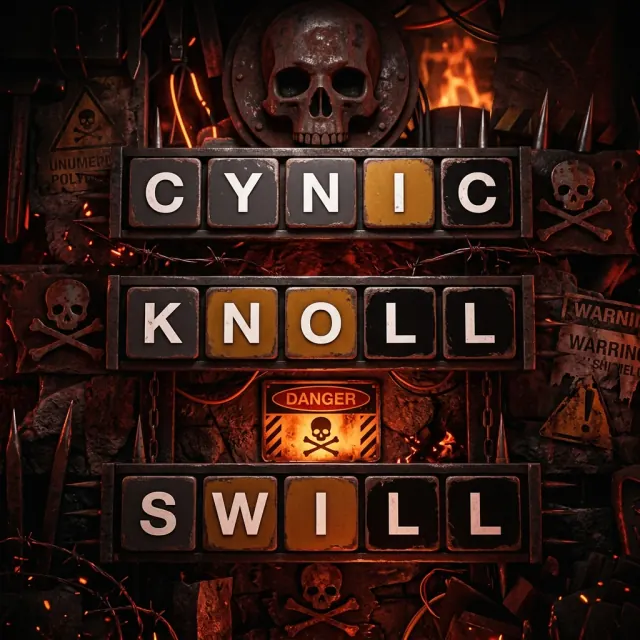
SWILL frustrated players not because it's rare — it's a common English word — but because of the double L. Players who had confirmed S, W, I, L couldn't find the word because they never considered that L might appear twice. The double-letter trap strikes again.
The AIDER Argument
Hot take level: Nuclear
"AIDER isn't a real word!" — approximately 50,000 tweets. In fact, AIDER is a perfectly valid English word (one who aids). But many players felt it was too obscure, too unusual, and too "SAT word" for a game that previously featured answers like TIGER and PLANT.
The debate: Should Wordle answers be limited to words everyone knows? Or should they include any valid dictionary word? This tension has never been fully resolved and resurfaces with every obscure answer.
The HARRY Coincidence
Context: An answer coinciding with a major news event
When HARRY appeared as a Wordle answer on the same day as a major headline involving a famous Harry, the internet erupted with conspiracy theories. Was NYT making a political statement? Was the puzzle editor trolling? The answer, as always, was simpler: Wordle answers are selected months in advance with no awareness of future news events.
NYMPH and Other "Unfair" Words
NYMPH caused outrage because it has no standard vowels (Y serves as the vowel). Players who rely on vowel-identification strategies were completely blindsided. The word is common enough — most people know it — but generating it during a Wordle puzzle is extremely difficult because it violates the mental model of "words need A, E, I, O, or U."
What Controversies Teach Us
- Know uncommon patterns — Q without QU-start, no standard vowels, triple letters. They're rare but they happen.
- Always consider doubles — A huge percentage of controversies involve repeated letters.
- Expand your vocabulary — Practice games expose you to words you'd never encounter in daily play.
- Don't blame the game — Every Wordle answer is a valid, real English word. If it surprised you, the learning opportunity is yours.
Build a Controversy-Proof Vocabulary
The more words you encounter in practice, the fewer will surprise you in competition.
Practice Unlimited