Some Wordle days, you solve it in two guesses and feel like a genius. Other days, you stare at the sixth row, knowing you're about to lose your 200-day streak, wondering how a five-letter English word could possibly hide from you for six entire guesses.
Those "bad days" aren't random. Certain words are objectively harder — they have unusual letter patterns, double letters, uncommon consonant combinations, or multiple valid near-matches that lead players down wrong paths. I dug through Wordle failure rate data and community surveys to find the 15 words that caused the most pain.
The 15 Hardest Wordle Answers, Ranked by Failure Rate
#1: PIQUE (Estimated 28% failure rate)
The nuclear option. PIQUE has Q without the usual QU-vowel pattern, an unusual vowel arrangement (three vowels, including the rarely-tested I and U), and it's a word many people recognize but rarely type. One of the few Wordle answers that made national news for its difficulty.
Why it's hard: Q is the rarest starting consonant. Most players never test Q until it's too late.
#2: SWILL (Estimated 25% failure rate)
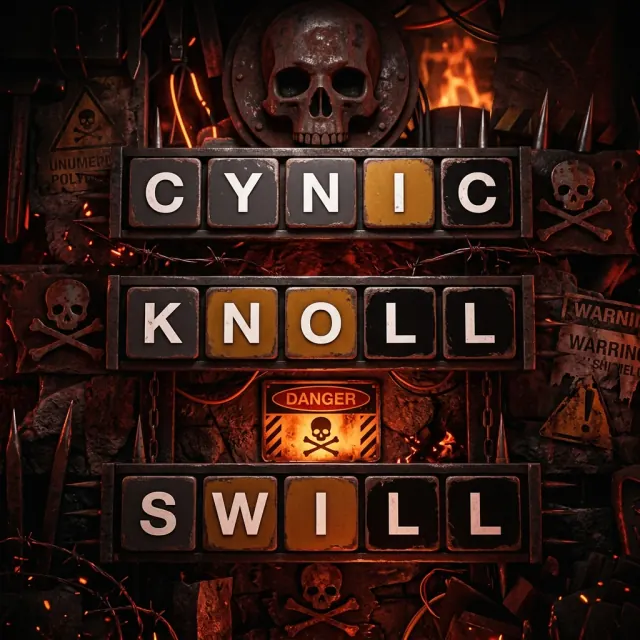
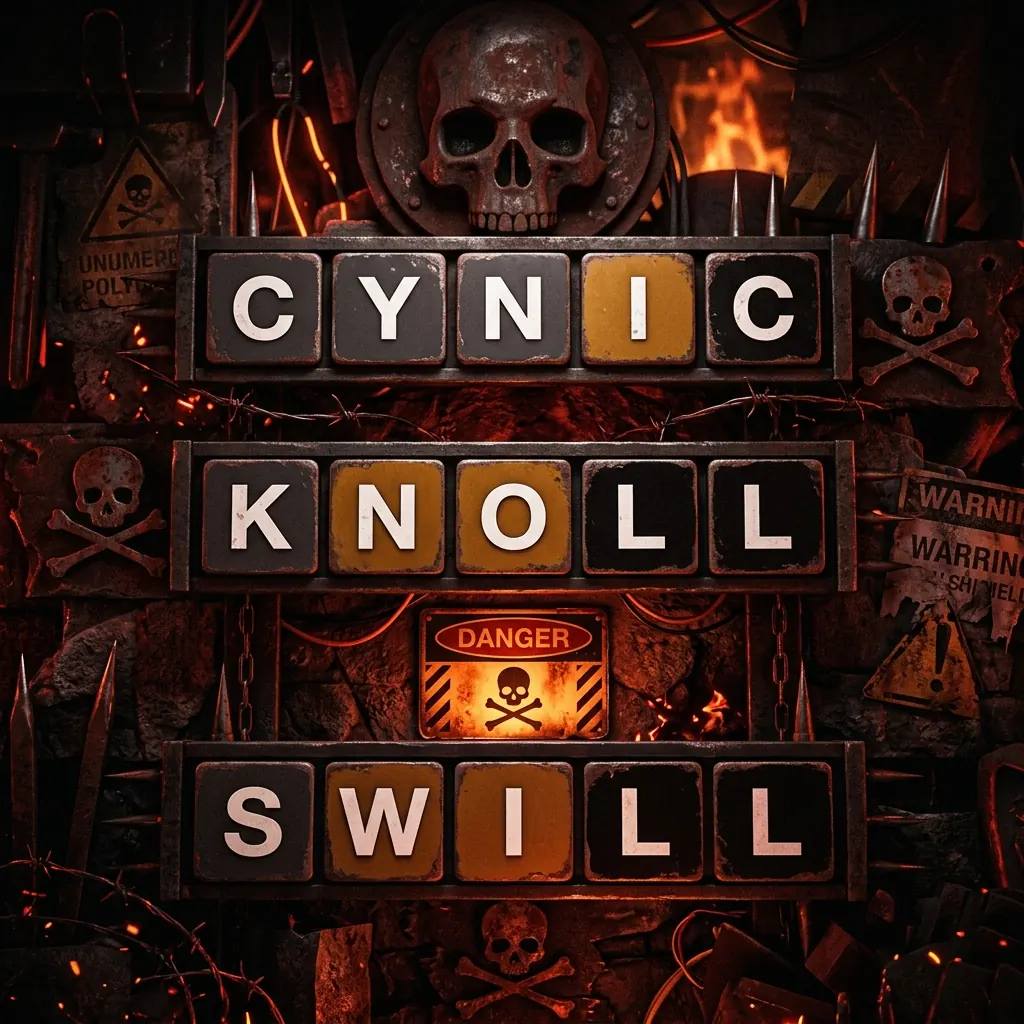
Double L, uncommon starting combination SW-, and a word that many players simply don't have in their active vocabulary. The -ILL ending creates a dangerous trap: SKILL, SPILL, STILL, SWILL, TRILL, GRILL — six valid answers with the same ending.
Why it's hard: The -ILL rhyming trap plus uncommon word recognition.
#3: NYMPH (Estimated 23% failure rate)
No standard vowels. Y is the only vowel, and the MPH ending is extremely unusual in five-letter words. Most players' strategies center around testing A, E, I, O first — which yields all gray tiles for NYMPH, sending solvers into a confused spiral.
Why it's hard: Breaks the "test vowels first" strategy completely.
#4: VIVID (Estimated 22% failure rate)
Two V's and two I's in one word. V is rare enough in Wordle answers; doubling it is cruel. Players who identify one V rarely consider that there might be another.
Why it's hard: Double rare consonant. Defies the "no repeated letters" assumption.
#5: CAULK (Estimated 20% failure rate)
The silent L throws off pattern recognition. Players who identify C, A, U, K may construct words like QUACK or KAYAK (too many letters) while missing the silent-L pattern entirely.
Why it's hard: Silent letter defies phonetic reasoning.
#6-10: The Middle Tier of Misery
| Rank | Word | Est. Failure | The Trap |
|---|---|---|---|
| 6 | WATCH | 18% | -ATCH ending: BATCH, CATCH, HATCH, LATCH, MATCH, PATCH |
| 7 | FOYER | 17% | French origin; OY combination rarely tested |
| 8 | KNOLL | 16% | Silent K, double L, uncommon word for many |
| 9 | BLOKE | 15% | British English; unfamiliar to many American players |
| 10 | TRYST | 15% | No standard vowels (Y only); unusual consonant cluster |
#11-15: Still Painful
#11: FJORD (14%) — That J-after-F is something most brains simply don't generate.
#12: SIEGE (13%) — Double E with IE pattern; the silent G doesn't help.
#13: CYNIC (13%) — Two C's, Y as vowel, uncommon pattern.
#14: EPOXY (12%) — Four uncommon-position letters in one word.
#15: GAWKY (12%) — W and K in the same word; AWK cluster is rarely tested.
What Makes a Word "Hard" — The 4 Difficulty Factors
Analyzing these 15 words reveals four consistent difficulty factors:
- Rare letters (Q, X, Z, J, V) — These letters appear in fewer than 3% of answers. Players don't test them until late guesses, if ever.
- Double/repeated letters — Most strategies assume unique letters. Words like VIVID and SWILL break this assumption.
- Rhyming traps — Words with common endings (-IGHT, -ILL, -ATCH) create multiple valid candidates, forcing players to guess among them and often running out of attempts.
- Uncommon vocabulary — Words like PIQUE, FOYER, and BLOKE are known to educated adults but aren't in everyone's active vocabulary.
How to Survive the Hard Words
You can't prevent hard words from appearing. But you can build resilience against them:
- Expand your vocabulary through practice — Unlimited Wordle games expose you to more words, reducing "I've never seen that word" moments
- Always consider doubles by guess 4 — If your unique-letter theory isn't panning out, a double letter is the most likely explanation
- Test Y as a vowel early — If A, E, I, O are all gray after two guesses, Y is probably your vowel
- Learn the rare-letter words — Memorize a few Q, J, Z words so they're accessible when needed
Build Your Tough-Word Resilience
The more words you encounter, the fewer surprises you'll face.
Practice UnlimitedWant the other end of the scale? See the 15 easiest Wordle words ever, plus every day a famous starting word was the answer.